
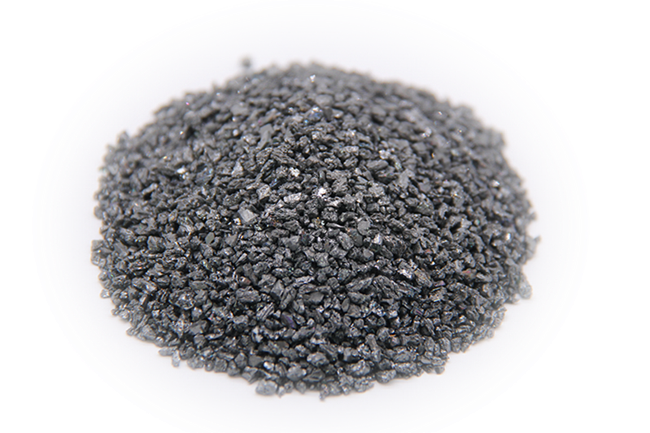
In the realm of refractory and abrasive materials, the selection of the right raw material is crucial to achieving optimal performance across various industrial applications. Among the most commonly used materials are zirconia and aluminum oxide, each boasting unique characteristics that make them suitable for different uses. With over 20 years of expertise, Henan Junsheng Refractories Limited has been at the forefront of producing high-quality refractory and abrasive raw materials, leveraging advanced technology, modern equipment, and stringent process controls to meet diverse market demands. This article provides an in-depth comparison of zirconia and aluminum oxide, highlighting their properties, applications, advantages, and drawbacks to help industry professionals make informed decisions.
### Overview of Zirconia and Aluminum Oxide
Zirconia, chemically known as zirconium dioxide (ZrO₂), is a white crystalline oxide of zirconium. It is well-regarded for its exceptional hardness, fracture toughness, and resistance to wear and corrosion. Zirconia also exhibits a high melting point and excellent thermal stability, making it an ideal candidate for demanding industrial environments.
Aluminum oxide, commonly referred to as alumina (Al₂O₃), is another widely used material in the refractory and abrasive markets. It is characterized by outstanding hardness, high melting point, and excellent chemical resistance. Aluminum oxide is available in various forms and grades, allowing it to meet a wide range of performance requirements.
### Physical and Chemical Properties Comparison
- **Hardness and Toughness**: Zirconia generally exhibits higher fracture toughness compared to aluminum oxide, which translates to greater resistance to crack propagation and chipping. This property is particularly beneficial for abrasive applications where impact resistance is critical. Conversely, aluminum oxide is extremely hard, ranking just below diamond and silicon carbide, providing superior surface finish capabilities in abrasive processes.
- **Thermal Stability**: Both materials possess high melting points—zirconia melts at roughly 2700°C, while aluminum oxide melts at around 2072°C. Zirconia's better thermal shock resistance allows it to withstand rapid temperature changes without cracking, making it superior in refractory applications that undergo cyclic heating and cooling.
- **Chemical Resistance**: Aluminum oxide exhibits excellent resistance to acids and bases, which makes it highly durable in chemically aggressive environments. Zirconia also demonstrates good chemical stability but is generally more resistant to alkaline conditions than acidic ones.
- **Density and Weight**: Zirconia tends to have a higher density than aluminum oxide, which may influence the choice of material based on application requirements like weight constraints or energy consumption in processing.
### Applications in the Refractory Industry
In refractory applications, materials must withstand extreme temperatures, thermal cycling, mechanical stress, and chemical attack. Zirconia’s high melting point, superior thermal shock resistance, and mechanical strength make it an excellent choice for linings in furnaces, kilns, and reactors used in metal casting, glass production, and petrochemical processing.
Aluminum oxide also serves as a robust refractory material, widely used in melting pots, crucibles, and protective coatings, particularly where acid resistance is essential. Its relatively lower cost compared to zirconia makes it a more economical option for large-scale applications where premium properties are not as critical.
### Applications in the Abrasive Industry
For abrasives, hardness and toughness are key factors. Zirconia abrasives are favored for aggressive grinding and cutting operations because of their toughness and ability to maintain sharpness over prolonged use. They are prevalent in grinding wheels, sandpaper, and blasting media where a balance of cutting efficiency and durability is required.
Aluminum oxide abrasives, on the other hand, are highly versatile and used extensively for polishing, sanding, and surface finishing. Their ability to produce fine surface finishes and suitability for a broad range of materials—from metals to wood and plastics—ensure their widespread adoption.
### Advantages and Limitations
**Zirconia Advantages:**
- Superior toughness and fracture resistance
- Excellent thermal shock resistance
- High melting point and thermal stability
- Long wear life in high-impact abrasive applications
**Zirconia Limitations:**
- Higher cost compared to aluminum oxide
- Greater density, which may not be suited for all applications
**Aluminum Oxide Advantages:**
- High hardness and good wear resistance
- Excellent chemical inertness
- Cost-effective with broad availability
- Suitable for a wide variety of refractory and abrasive uses
**Aluminum Oxide Limitations:**
- Lower fracture toughness than zirconia
- Less thermal shock resistance, potential for cracking under rapid temperature changes
### Henan Junsheng Refractories Limited: Expertise and Commitment
Henan Junsheng Refractories Limited, with its two decades of industry experience, stands as a trusted manufacturer and trader of refractory and abrasive raw materials. The company’s commitment to quality is evident in its use of advanced science and technology, combined with modern equipment and rigorous process management systems. This approach ensures that products meet stringent performance criteria and adapt to the evolving needs of customers.
By offering a comprehensive range of high-quality zirconia and aluminum oxide materials, Henan Junsheng provides tailored solutions, helping clients optimize their production processes and achieve superior results. The company’s focus on innovation and quality control makes it a valuable partner in both the refractory and abrasive sectors.
### Conclusion
Choosing between zirconia and aluminum oxide depends largely on the specific demands of the application, budget considerations, and desired performance characteristics. Zirconia excels in environments requiring toughness and thermal stability, whereas aluminum oxide offers versatility and chemical resistance at a more accessible price point.
With the extensive experience and robust capabilities of Henan Junsheng Refractories Limited, clients can confidently source refined refractory and abrasive raw materials that fulfill their precise industrial requirements. Their dedication to quality and continuous improvement ensures that the refractory and abrasive industries benefit from reliable and high-performing materials in the years to come.