
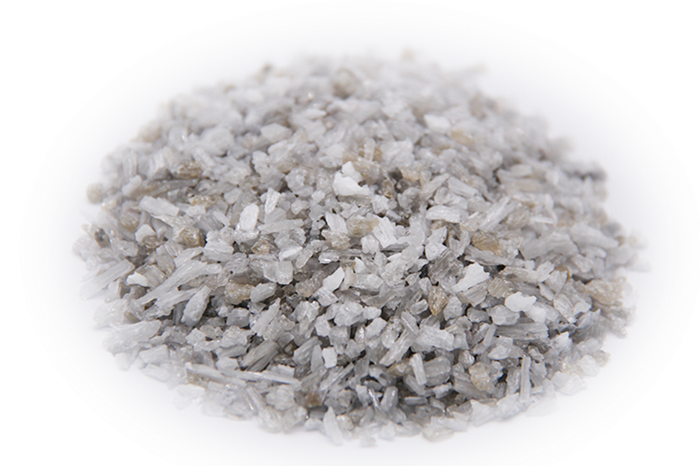
When it comes to the choice of raw materials for refractory and abrasive applications, Zirconia and Aluminum Oxide stand out as two of the most prominent options used extensively in various industries. Both materials offer unique properties, advantages, and applications, making it essential for manufacturers and traders to understand their differences and select the material best suited for their specific requirements. Drawing on insights from a leading manufacturer and trader in refractory and abrasive raw materials with over two decades of experience, this article provides a comprehensive comparison between Zirconia and Aluminum Oxide.
### Company Background
Before delving into the comparison, it is worth acknowledging the expertise behind this analysis. Henan Junsheng Refractories Limited has been a trusted name in the manufacture and trade of refractory and abrasive raw materials for more than 20 years. The company prides itself on producing a series of high-quality refractory materials that are developed based on advanced science and technology, supported by modern equipment and strict process management and control systems. This foundation of technical excellence ensures reliable, consistent materials that meet the diverse needs of industrial applications.
### Understanding Zirconia and Aluminum Oxide
**Zirconia (Zirconium Dioxide, ZrO2)** is a crystalline oxide of zirconium. It is renowned for its exceptional toughness, high melting point, and chemical stability. Its unique combination of mechanical strength and resistance to cracking under stress makes it highly effective in abrasive and refractory uses, especially where durability and longevity under extreme conditions are critical.
**Aluminum Oxide (Al2O3),** commonly known as alumina, is one of the most widely used abrasive and refractory materials. It is valued for its high hardness, thermal stability, and chemical inertness. Aluminum oxide finds widespread use in grinding, polishing, and grinding media, as well as in the manufacture of refractory bricks and components that withstand high temperatures and corrosive environments.
### Physical and Chemical Properties
- **Hardness:** Aluminum oxide generally offers higher hardness than zirconia, making it more suitable for intense abrasive processes where cutting or grinding hard materials is required. Zirconia, although slightly less hard, compensates with higher toughness.
- **Toughness:** Zirconia excels in mechanical toughness and resistance to crack propagation. This makes it preferable in situations where materials face mechanical shocks or impact.
- **Thermal Stability:** Both materials have high melting points, but zirconia has a higher melting temperature (approximately 2700°C) compared to aluminum oxide (approximately 2072°C). This superior thermal tolerance makes zirconia favorable for extremely high-temperature refractory applications.
- **Chemical Resistance:** Zirconia is chemically inert to most acids and alkalis and exhibits outstanding resistance to corrosion. Aluminum oxide is also chemically stable but can be vulnerable to strong alkaline environments.
### Applications in Refractory Materials
- **Zirconia:** Due to its great thermal stability, mechanical strength, and resistance to thermal shock, zirconia-based refractories are ideal for furnace linings, glass-melting furnaces, and high-temperature kilns where prolonged exposure to extreme heat is a factor. Its resistance to slag corrosion further strengthens its application in metallurgical furnaces.
- **Aluminum Oxide:** Alumina refractories are versatile and widely applied in steel, cement, and lime production industries. They are suitable for environments where high abrasion and moderate to high temperatures occur but do not reach the ultra-high temperature ranges that zirconia can endure. Alumina refractories are also used in kiln furniture, crucibles, and insulating firebricks.
### Applications in Abrasive Materials
- **Aluminum Oxide:** The use of aluminum oxide as an abrasive material is widespread due to its sharp cutting edges and hardness. It is commonly found in grinding wheels, sandpaper, blasting media, and polishing compounds. Its affordability and effectiveness in material removal make it the abrasive material of choice in many industries.
- **Zirconia:** Zirconia abrasives, often in stabilized form, provide a balance of toughness and wear resistance. They are particularly effective where durability and longer lifespans of abrasive tools are required, such as in heavy-duty grinding and cutting operations involving hard metals and alloys.
### Advantages and Disadvantages
| Material | Advantages | Disadvantages |
|--------------------|----------------------------------------------|--------------------------------------------|
| Zirconia | High toughness, excellent thermal stability, corrosion resistance | Higher cost compared to aluminum oxide, slightly lower hardness |
| Aluminum Oxide | High hardness, cost-effective, widely available | Less toughness, vulnerable to some chemical environments |
### Choosing Between Zirconia and Aluminum Oxide
The decision to choose between zirconia and aluminum oxide depends largely on the specific requirements of the application:
- For **extreme high-temperature applications** and where mechanical shock resistance is critical, zirconia offers clear benefits.
- For **abrasive tasks requiring hard, sharp cutting edges** at a reasonable cost, aluminum oxide remains the preferred choice.
- In refractory contexts involving **exposure to corrosive slag or alkaline substances**, zirconia’s chemical resistance gives it a competitive edge.
Henan Junsheng Refractories Limited has leveraged the complementary properties of both materials to develop a diverse product range tailored to meet industry demands. Through its strict process control and technological expertise, the company ensures that its refractory and abrasive raw materials deliver consistent performance, reliability, and value to customers.
### Conclusion
In the ongoing quest for durable, effective refractory and abrasive materials, both zirconia and aluminum oxide continue to play critical roles. Their distinct physical and chemical properties serve different industrial needs, and understanding these differences is vital for selecting the right material.
Henan Junsheng Refractories Limited, with its more than 20 years of industry experience and commitment to quality, stands at the forefront of providing these essential materials, enabling industries to maintain high operational efficiency under demanding conditions. Whether opting for the toughness and thermal resistance of zirconia or the hard, sharp abrasiveness of aluminum oxide, customers can rely on the company's expertise and quality products to support their manufacturing and production goals.