
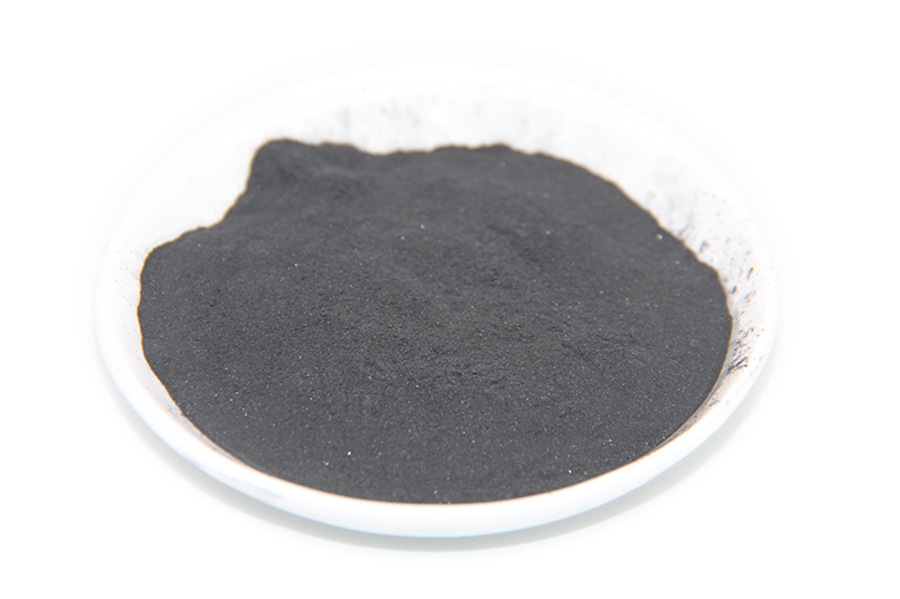
Tabular alumina, a highly refined form of aluminum oxide, has established itself as a crucial material in various industrial sectors. Known for its exceptional physical and chemical properties, tabular alumina plays a vital role in enhancing the performance and durability of refractory products. Its widespread application demonstrates the material’s versatility, making it indispensable for industries that demand high thermal resistance and mechanical strength.
**Understanding Tabular Alumina**
Tabular alumina is produced by sintering calcined alumina at extremely high temperatures in an electric arc furnace. This process results in a dense, hard, and chemically stable material with a low porosity and high purity. These characteristics contribute to its outstanding resistance to thermal shock, abrasion, and chemical attack. As a result, tabular alumina is preferred for use in harsh environments where materials are subjected to extreme conditions.
**Industrial Applications of Tabular Alumina**
1. **Refractory Industry**
One of the primary uses of tabular alumina is in the manufacturing of refractory products. These materials are essential for lining furnaces, kilns, incinerators, and reactors across metallurgical, glass, and cement industries. Due to tabular alumina’s ability to withstand high temperatures (exceeding 1750°C) without deformation, it significantly improves the lifespan and efficiency of refractory linings. Its low thermal expansion also minimizes the risk of cracking under fluctuating temperatures, ensuring structural integrity.
Tabular alumina-based refractories are utilized for constructing the critical components of steel-making furnaces, such as tap hole clay, castables, and bricks. The material’s excellent resistance to slag and metal penetration further enhances furnace performance, reducing downtime and maintenance costs.
2. **Abrasives and Grinding Materials**
Due to its hardness and high purity, tabular alumina is widely used as an abrasive material. It is incorporated into grinding wheels, cutting tools, and polishing powders where durability and precision are necessary. The material’s consistent properties ensure efficient grinding and finishing processes, particularly in metals, ceramics, and stone industries.
3. **Ceramics and Advanced Materials**
In the field of advanced ceramics, tabular alumina serves as a critical raw material. Its thermal stability, combined with mechanical strength, makes it a valuable ingredient in the production of high-performance ceramic parts. These ceramics are used in electronics, medical devices, and aerospace components, where reliability under extreme conditions is paramount.
4. **Electrical Insulation**
Tabular alumina’s superior electrical insulation properties are leveraged in the manufacture of insulating substrates and components for electrical equipment. Its chemical inertness ensures stable performance without degradation over time, contributing to the longevity of devices exposed to high voltage or harsh environmental conditions.
5. **Catalyst Carrier**
The material also finds application as a catalyst carrier in chemical processes. Its inertness, high surface area, and resistance to thermal shock make it an ideal support for catalysts used in petrochemical and environmental industries.
**Company Expertise in Refractory and Abrasive Raw Materials**
With the rising demand for high-quality materials like tabular alumina, manufacturers specializing in refractory and abrasive raw materials play a crucial role in supporting industrial growth. The expertise and innovation in producing premium refractory products rely heavily on advanced science and technology, strict quality controls, and modern equipment.
A prominent example in this sector is a company with over 20 years of experience in manufacturing and trading refractory and abrasive raw materials. The company leverages cutting-edge technological advancements alongside rigorous process management to produce a diverse range of high-quality refractory materials. Their commitment to quality ensures that clients receive products capable of meeting the stringent demands of modern industry.
By investing in research and development, the company continuously improves its product portfolio to enhance performance characteristics such as thermal resistance, mechanical strength, and chemical stability. This approach not only contributes to the durability of refractory linings but also supports cost-efficiency for end-users by reducing maintenance and replacement frequencies.
**Future Outlook**
The industrial sector’s ongoing drive toward greater efficiency and sustainability is expected to increase the demand for materials like tabular alumina. As industries continue to operate under more extreme conditions, the requirement for reliable and high-performance refractory and abrasive materials will grow accordingly.
Manufacturers specializing in refractory raw materials are poised to benefit from this trend by providing tailored solutions that meet specific operational challenges. Continued innovation, combined with superior manufacturing capabilities, will enable the production of next-generation materials that contribute to safer, more efficient industrial processes.
**Conclusion**
Tabular alumina’s unique combination of thermal stability, mechanical strength, and chemical resistance makes it an invaluable material across multiple industries. Its primary applications in refractories, abrasives, advanced ceramics, electrical insulation, and catalyst carriers highlight its versatility and importance.
Supported by experienced manufacturers delivering high-quality products through advanced technology and strict quality management, the future of tabular alumina looks promising. As industries seek to optimize performance and reduce operational costs, tabular alumina will continue to play a pivotal role in enabling robust and efficient industrial applications worldwide.