
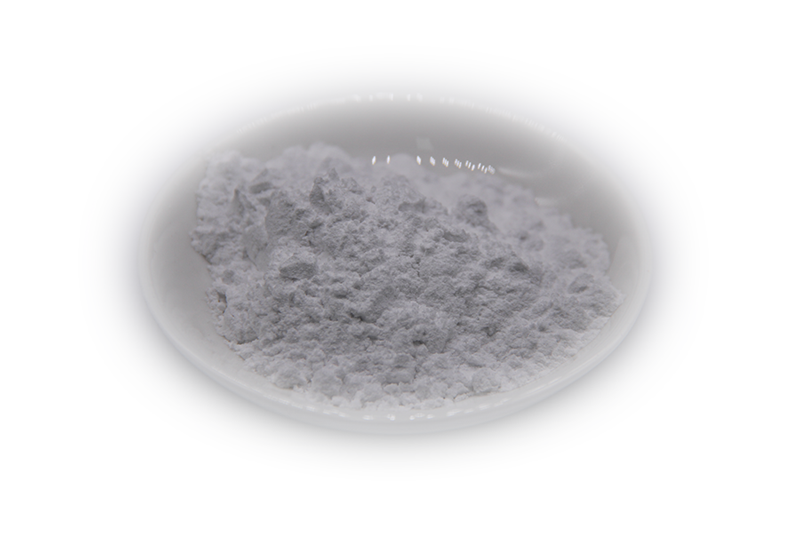
Tabular alumina has increasingly become a cornerstone material in various industrial sectors, thanks to its exceptional physical and chemical properties. As demand for high-performance refractory materials grows, industries are turning to tabular alumina for its superior strength, thermal stability, and resistance to corrosion and abrasion. This versatile material, produced under stringent quality controls by leading manufacturers, continues to revolutionize applications across metallurgy, ceramics, electronics, and more.
### What is Tabular Alumina?
Tabular alumina is a form of aluminum oxide (Al₂O₃), processed by heating alumina powder to extremely high temperatures until it fuses into dense, angular grains. This process endows tabular alumina with a unique combination of high density, low porosity, and excellent mechanical strength. Compared to other types of alumina, tabular alumina exhibits enhanced thermal shock resistance and durability, making it ideal for demanding industrial environments.
### Industrial Uses of Tabular Alumina
#### 1. **Refractories in Metallurgy**
One of the most significant applications of tabular alumina is in refractory linings used in metallurgical furnaces such as electric arc furnaces (EAF), ladle linings, and cement rotary kilns. Its high melting point and excellent thermal shock resistance protect furnace structures from rapid temperature fluctuations and corrosive slag attacks. This helps extend furnace life, reduce downtime, and improve overall production efficiency. Additionally, its ability to withstand mechanical abrasion contributes to maintaining the integrity of lining materials during handling and operational stresses.
#### 2. **Abrasive Raw Materials**
Tabular alumina's hardness and strength make it an ideal abrasive material for grinding, polishing, and finishing applications. It is widely used in abrasive blasting media, grinding wheels, and sandpapers. The angularity of tabular alumina grains enhances the cutting efficiency and surface quality in abrasive processes. Furthermore, the consistency in grain size and purity is critical in achieving precise and reliable abrasive performance.
#### 3. **Ceramics and Advanced Materials**
In the ceramics industry, tabular alumina is used as an additive to improve mechanical and thermal properties of ceramic composites. Its high purity and refractoriness contribute to producing advanced ceramics with superior wear resistance, thermal conductivity, and electrical insulation. These enhanced composites find applications in electronic substrates, insulators, and catalytic converter components.
#### 4. **Electronics and Electrical Insulation**
Due to its excellent dielectric properties and thermal stability, tabular alumina is employed in electrical insulators and substrates for electronic devices. Its ability to maintain structural integrity under high temperatures and electrical stress ensures reliable performance in demanding environments such as power generation and transmission.
### Commitment to Quality and Innovation
Meeting the growing and diverse needs of industries for high-quality tabular alumina materials requires not only advanced technology but also stringent quality control measures. One prominent manufacturer and supplier in this field is a company with over two decades of experience in producing refractory and abrasive raw materials. This company leverages advanced science and technology, modern equipment, and rigorous process management to ensure the consistent production of superior refractory products.
Their product line, characterized by high purity and excellent physical properties, meets the exacting standards of industries requiring reliable and durable materials. By integrating research and development with practical manufacturing expertise, they continuously innovate to tailor tabular alumina products that enhance operational efficiency and product performance for their clients worldwide.
### Environmental and Economic Benefits
Using high-quality tabular alumina in industrial processes not only improves performance but also contributes to sustainability and cost-efficiency. Longer service life of refractory linings reduces the frequency of repairs and replacements, minimizing resource consumption and waste generation. Improved energy efficiency in furnaces and kilns, due to better thermal insulation, helps lower fuel consumption and emissions. Additionally, enhanced surface finish in abrasives leads to less material wastage and rework.
### Future Prospects
As industries evolve and expand, the role of advanced materials like tabular alumina will become even more critical. Emerging applications in aerospace, renewable energy technologies, and high-tech electronics present new opportunities for leveraging the outstanding properties of tabular alumina. Continued investment in research, development, and sustainable manufacturing practices will drive further advancements in this material, supporting industrial growth and environmental stewardship.
### About the Manufacturer
With more than 20 years of experience in manufacturing and trading refractory and abrasive raw materials, the company behind this innovation has established itself as a reliable partner in the global market. Their dedication to quality is reflected in strict process control and use of cutting-edge equipment, ensuring that each batch of products meets stringent industry requirements. Offering a range of advanced refractory materials, they serve diverse sectors including metallurgy, ceramics, and electronics, helping clients achieve superior product performance and operational excellence.
---
**In summary**, tabular alumina stands out as a crucial material in modern industrial applications. Its superior properties make it indispensable for refractory linings, abrasives, ceramics, and electrical components. Supported by manufacturers who emphasize quality and innovation, tabular alumina is driving improvements in durability, efficiency, and sustainability across industries. As technology advances, this material’s potential continues to expand, promising to play a vital role in the future of industrial manufacturing.