
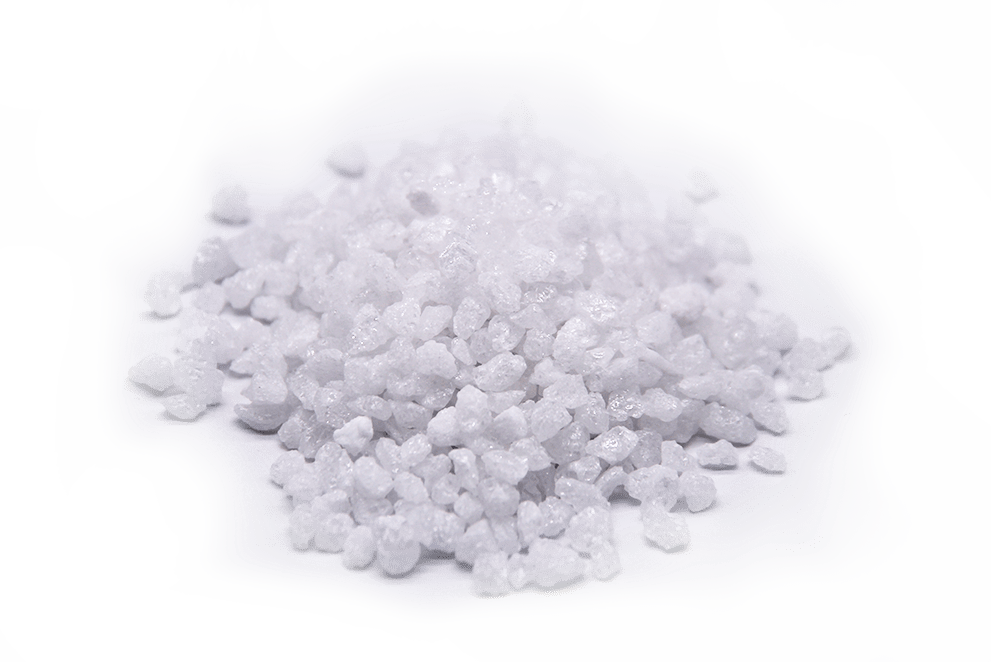
In the realm of refractory and abrasive raw materials, two terms often surface that can cause confusion: alumina and aluminum oxide. While these terms are sometimes used interchangeably in everyday conversation, understanding their distinctions is crucial for industries that rely on high-performance materials. This article delves into the differences between alumina and aluminum oxide, their applications, and how manufacturers like HENAN JUNSHENG REFRACTORIES LIMITED leverage advanced technology and expertise to produce high-quality refractory materials.
### What is Alumina?
Alumina, also known as aluminum oxide, is a chemical compound composed of aluminum and oxygen with the formula Al2O3. It occurs naturally as the mineral corundum and is a vital material in various industrial sectors. Alumina exists in several crystalline forms, with α-alumina being the most stable and commonly used in industry.
Often, alumina refers to the raw or processed material derived from bauxite ore through the Bayer process. In its processed form, it’s used as a starting material for producing aluminum metal or as an abrasive agent thanks to its hardness.
### Understanding Aluminum Oxide
Aluminum oxide is essentially the chemical name for alumina; both share the same chemical composition—Al2O3. However, the term "aluminum oxide" is frequently preferred in scientific and technical contexts. It specifically describes the compound’s chemical properties and phases, including its crystalline forms.
The distinction between the two terms often lies in the context rather than the substance itself: “Alumina” tends to be used more broadly to describe the material, especially in mineral and raw materials contexts, while "aluminum oxide" emphasizes the chemical compound and its crystalline structure.
### Key Differences and Misconceptions
Despite the chemical equivalence, alumina and aluminum oxide can be distinguished in certain industrial contexts:
- **Form and Purity:** Alumina, when referred to as a raw material, may contain impurities from the mining or processing stages. Meanwhile, aluminum oxide in scientific applications usually denotes a highly purified substance.
- **Physical Properties:** Alumina often comes in powder, granule, or refractory forms tailored for specific use. Aluminum oxide, particularly in its synthetic crystalline forms like sapphire or ruby (both forms of corundum), is valued for its optical and physical properties.
- **Applications:** The term used may indicate the industry. For example, in refractory materials manufacturing, alumina is the raw material, while in electronic and optical industries, aluminum oxide may refer to precision-engineered crystals.
### Industrial Applications of Alumina and Aluminum Oxide
Alumina's hardness, high melting point (over 2,000°C), chemical stability, and electrical insulation properties make it indispensable in several key industries:
- **Refractory Materials:** Alumina is integral to producing refractory bricks and linings that can withstand extreme temperatures and corrosive environments in steelmaking, glass production, and cement manufacturing.
- **Abrasives:** Thanks to its hardness, alumina is a common abrasive in cutting, grinding, and polishing tools.
- **Electronics and Optics:** High-purity aluminum oxide is used in substrates, insulators, and synthetic sapphires for LED and laser technologies.
- **Ceramics:** Alumina is used to manufacture high-quality ceramic products that require toughness and wear resistance.
### HENAN JUNSHENG REFRACTORIES LIMITED: Excellence in Refractory and Abrasive Raw Materials
With over 20 years of experience, HENAN JUNSHENG REFRACTORIES LIMITED stands out as a leading manufacturer and trader specializing in refractory and abrasive raw materials. The company harnesses advanced science and technology, modern equipment, and stringent process management to produce a series of high-quality refractory products tailored for diverse industrial demands.
Their expertise lies in transforming raw alumina into durable refractory materials capable of operating in harsh environments. By maintaining strict quality control and leveraging technological innovation, HENAN JUNSHENG ensures that their products meet the exacting standards required by industries such as steel, non-ferrous metals, glass, cement, and petrochemical sectors.
### The Role of Advanced Technology and Quality Control
To achieve superior product performance, HENAN JUNSHENG employs state-of-the-art equipment and rigorous process control. This involves:
- **Material Selection:** Utilizing high-purity alumina raw materials to improve refractory performance.
- **Precision Processing:** Advanced grinding and sintering technology to achieve optimal particle size and density.
- **Quality Assurance:** Comprehensive inspections and testing throughout production to guarantee consistency and durability.
Such meticulous processes result in refractory materials that offer high melting points, exceptional corrosion resistance, and extended service life, reducing downtime and maintenance costs for users.
### The Future of Alumina and Aluminum Oxide in Industrial Applications
As industries continue to demand materials that combine durability with efficiency, alumina-based products are expected to play an even greater role. Innovations in nano-alumina powders and composite materials open new avenues for performance enhancement, particularly in electronics, energy storage, and biomedical applications.
Manufacturers like HENAN JUNSHENG REFRACTORIES LIMITED are well-positioned to meet these emerging challenges. Their commitment to research and development, coupled with decades of industry know-how, ensures that they remain a reliable supplier in a competitive global market.
### Conclusion
Understanding the nuances between alumina and aluminum oxide is critical for industries reliant on high-performance refractory and abrasive materials. While chemically identical, the terms emphasize different aspects—from raw material to purified compound.
HENAN JUNSHENG REFRACTORIES LIMITED exemplifies excellence in leveraging alumina’s properties through advanced manufacturing and quality management to deliver refractory solutions that stand up to the rigors of modern industrial processes. Their two decades of experience and dedication place them at the forefront of the refractory and abrasive raw materials industry, ready to support the evolving needs of global manufacturers.
---
For more information about refractory raw materials and industrial applications of alumina, industry professionals can connect with experienced manufacturers specializing in customized solutions.