
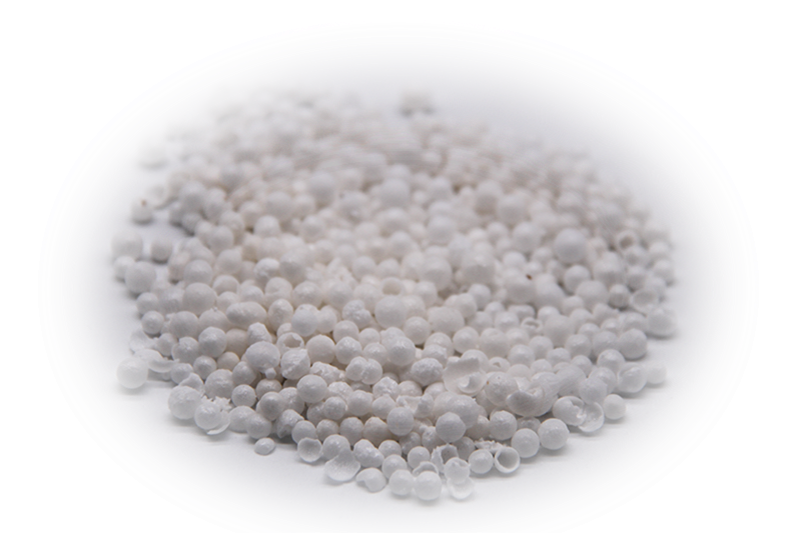
In recent months, the calcium aluminate cement (CAC) market has exhibited notable price fluctuations, influenced by a combination of raw material availability, production costs, and increasing demand within the refractory and construction industries. As a critical component widely used in refractory applications, calcium aluminate cement serves as a binder that provides excellent resistance to high temperatures and chemical corrosion, making it indispensable for manufacturers requiring durable and reliable materials.
**Current Market Overview**
The price of calcium aluminate cement has experienced upward pressure primarily due to rising costs in raw materials such as bauxite and alumina. Additionally, the tightening of environmental regulations in key producing regions has led to increased production costs, impacting the overall pricing dynamic. Despite these challenges, demand for high-quality CAC remains robust, driven by the growth in industrial sectors including steel, cement, and petrochemicals, where refractory materials play a vital role in ensuring operational efficiency and equipment longevity.
Moreover, the heightened focus on sustainability and energy efficiency has encouraged end-users to select superior refractory products that offer better durability and performance. This trend is further supporting the demand for premium calcium aluminate cements that meet stringent quality standards.
**Industry Players and Manufacturing Excellence**
One of the key contributors to the refractory materials industry is a company with over two decades of experience specializing in refractory and abrasive raw materials. With a strong emphasis on research and development, the manufacturer produces a comprehensive range of high-quality refractory products utilizing advanced technology, modern equipment, and rigorous process management.
This company’s commitment to quality and innovation is evident in its ability to consistently deliver calcium aluminate cement that adheres to stringent specifications required by the demanding refractory industry. The integration of cutting-edge science and technology has enabled the company to optimize production processes, ensuring both efficiency and sustainability.
**Technological Advancements and Quality Control**
Calcium aluminate cement is produced through calcination of a carefully controlled mixture of limestone and bauxite at high temperatures, resulting in a material composition particularly suited to withstand extreme thermal and chemical conditions. Today’s manufacturers benefit from advancements in raw material processing and kiln technology that improve clinker quality and cement consistency.
Strict quality control measures are implemented throughout the production cycle, from raw material sourcing to final product testing. Parameters such as chemical composition, particle size distribution, and hydration characteristics are tightly monitored to guarantee performance and reliability in end-use applications.
**Applications Driving Demand**
The refractory industry, a primary consumer of calcium aluminate cement, relies on the material to produce castables, bricks, and mortars with high resistance to heat and corrosive environments. Steel production facilities, for instance, require robust refractory linings in blast furnaces, converters, and ladles, all of which benefit from the application of CAC-based binders.
Similarly, cement plants use calcium aluminate cement for repair and maintenance of rotary kilns and other high-temperature equipment. The petrochemical sector, with its aggressive chemical processes, also leverages CAC’s properties to extend the service life of reactors and reformers.
Growth in construction activities, particularly in infrastructure development, further contributes to sustained demand. The material's ability to achieve rapid setting and early strength development makes it valuable for applications in specialized construction products and rapid repair materials.
**Market Challenges and Opportunities**
While the upward trend in calcium aluminate cement pricing reflects strong demand and cost pressures, manufacturers face ongoing challenges. Environmental policies impose constraints on raw material extraction and emissions, necessitating investment in cleaner technologies and sustainable practices.
Simultaneously, fluctuations in global supply chains, including logistics disruptions and geopolitical factors, add complexity to pricing and availability. These variables necessitate agile strategies by producers to maintain competitiveness and ensure consistent supply to customers.
However, these challenges also prompt innovation and open opportunities for companies that invest in research and development. The drive toward eco-friendly production methods, alternative raw materials, and enhanced product formulations is expected to create new market niches and value-added offerings.
**Looking Ahead**
Industry analysts anticipate that the calcium aluminate cement market will continue on a growth trajectory, supported by expanding end-use industries and technological improvements. Key to success will be manufacturers’ ability to balance cost management with quality enhancement and environmental responsibility.
Companies with longstanding experience and deep expertise in refractory raw materials are well positioned to capitalize on these trends. Their focus on integrating advanced science, modern equipment, and stringent quality control enables them to produce superior calcium aluminate cement products that meet the evolving needs of industrial clients worldwide.
**Conclusion**
The calcium aluminate cement market is navigating a dynamic environment characterized by price shifts, regulatory challenges, and strong demand from refractory and industrial sectors. Manufacturers with robust experience, technological prowess, and dedication to quality are playing a pivotal role in meeting industry demands. As the market continues to develop, these companies will be essential in driving innovation, sustainability, and growth in the refractory materials space.
---
**About the Manufacturer**
With over 20 years of dedicated experience, the manufacturer is a leading supplier and trader of refractory and abrasive raw materials. The company’s success stems from its emphasis on advanced science and technology, state-of-the-art equipment, and rigorous management controls. This commitment ensures that their portfolio of refractory products consistently meets the highest industry standards, supporting diverse industrial applications around the globe.