
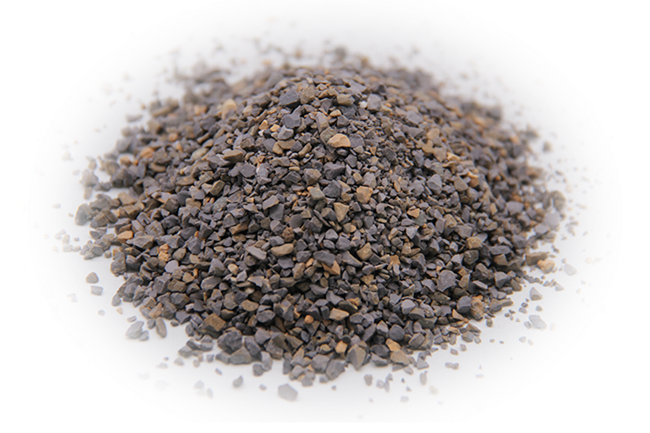
In the realm of refractory and abrasive raw materials, the colour of aluminium oxide plays a vital role in determining its quality and application. Aluminium oxide, known for its exceptional hardness, thermal stability, and chemical resistance, is a fundamental component in many industrial processes. Its colour variations indicate different characteristics and suitability for specific uses, making it essential for manufacturers and end-users to understand these differences.
A prominent player in this sector is a manufacturer and trader with over 20 years of expertise in producing superior refractory and abrasive raw materials. Their commitment to advanced science and technology, coupled with modern equipment and strict process management, ensures the delivery of high-quality products that meet the evolving demands of various industries.
### Understanding Aluminium Oxide Colour and Its Significance
Aluminium oxide (Al2O3) can be found in several colour hues, typically white, pink, brown, and sometimes even shades of yellow. These colours are not merely cosmetic but reflect the material’s purity and impurity levels, which directly impact performance.
- **White Aluminium Oxide:** Often considered the purest form, white aluminium oxide is produced through a highly controlled process that removes impurities. It is widely used in high-precision grinding and polishing applications, where contaminants could affect the outcome. Its bright white appearance signals high purity and finer grain size, making it ideal for abrasive wheels, blasting media, and polishing powders.
- **Pink Aluminium Oxide:** This variety contains traces of chromium, which impart a distinctive pink hue. Pink aluminium oxide is commonly used for abrasive applications where a balance of toughness and hardness is required. It is particularly favored for grinding harder materials like stainless steel and titanium, offering durability without excessive wear.
- **Brown Aluminium Oxide:** Rich in iron oxides, brown aluminium oxide is more economical and typically used in heavy-duty grinding and blasting processes. While not as pure as white or pink variants, its toughness makes it suitable for metal finishing, sandblasting, and refractories where color purity is less critical.
- **Specialty Colours:** Occasionally, other colour variants appear due to specific impurities or manufacturing techniques, tailored to niche industrial requirements.
### Superior Refractory and Abrasive Materials with Advanced Manufacturing
The featured manufacturer leverages over two decades of experience in producing refractory and abrasive raw materials, emphasizing quality and technological innovation. Their production lines incorporate cutting-edge equipment designed to maintain consistent particle size, purity, and performance characteristics.
Refractory materials, which can withstand extreme temperatures and corrosive environments, are indispensable in industries like steelmaking, cement production, and glass manufacturing. Aluminium oxide’s thermal stability and hardness make it a core ingredient in many refractory products, ensuring operational efficiency and longevity.
On the abrasive front, materials crafted from aluminium oxide provide effective cutting, grinding, and polishing capabilities vital to manufacturing precision components, automotive parts, and electronic devices. By strictly managing raw material sourcing, particle size distribution, and impurity control, this manufacturer supplies abrasive grains that meet rigorous quality standards.
### Commitment to Quality through Science, Technology, and Process Control
The hallmark of this company’s success lies in its integrated approach to quality control. By combining advanced research with practical manufacturing expertise, they continually refine their production processes. Modern equipment enables precise control over grinding, sizing, and purification procedures, which directly influence the final product’s colour and performance.
Moreover, the company’s strict process management encompasses thorough inspection at every stage—from raw material selection through final packaging. This ensures that customers receive products that consistently meet or exceed their specifications, providing reliability for critical industrial processes.
### Industry Impact and Customer Benefits
The clarity about aluminium oxide colour variations aids end-users in selecting the right abrasive and refractory materials tailored to their applications. High-purity white aluminium oxide, for example, enhances the finish quality in optical instruments and electronics manufacturing. Meanwhile, the toughness of pink and brown variants supports durable grinding in automotive and aerospace sectors.
By offering a diverse range of aluminium oxide materials, the manufacturer aligns with the diverse needs of global industries, enhancing productivity and product lifespan. Their commitment to continuous improvement and customer-oriented solutions solidifies their position as a trusted supplier in the refractory and abrasive markets.
### Conclusion
Colour variations in aluminium oxide are more than just visual differences; they represent crucial indicators of the material’s performance properties. Understanding these differences is essential for industries relying on refractory and abrasive raw materials.
With a robust foundation of over 20 years of experience, this manufacturer’s focus on scientific advancement, technological innovation, and stringent process control has yielded a series of high-quality aluminium oxide products. These materials not only meet the demands of modern industries but also contribute to the efficiency and sustainability of manufacturing operations worldwide.
As industries continue to demand more specialized and reliable materials, the role of experienced manufacturers in delivering top-tier aluminium oxide variants becomes increasingly important. Their expertise ensures that customers can confidently select the appropriate material, maximizing the potential of their refractory and abrasive applications.