
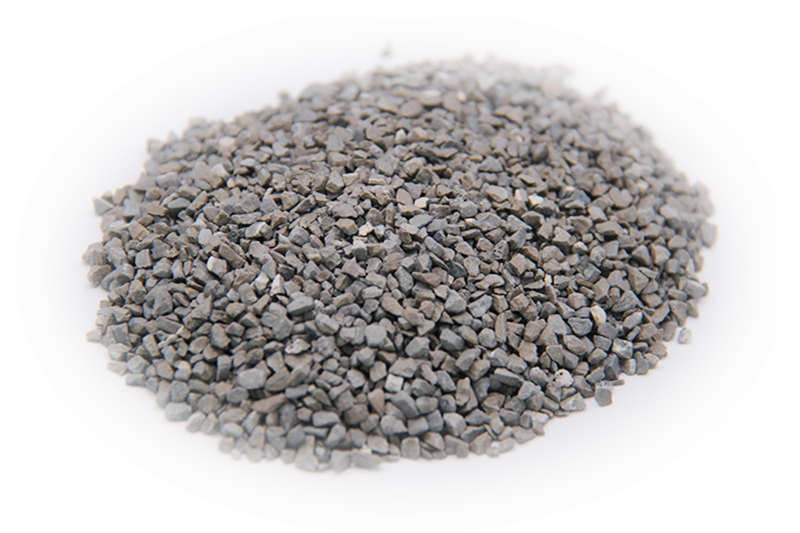
In recent months, the price of steel fiber has been experiencing noticeable fluctuations, reflecting shifts in supply-demand dynamics within the construction and manufacturing sectors. Steel fiber, a critical component widely used to reinforce concrete and improve its mechanical properties, is seeing increased attention globally as infrastructure projects expand and construction standards evolve.
Steel fiber’s unique role in enhancing the tensile strength, durability, and crack resistance of concrete structures renders it indispensable in various applications, from industrial flooring and tunnels to precast concrete products. The upward movement in steel fiber prices can be attributed to a combination of raw material costs, production challenges, and growing end-user demand.
**Market Overview: Factors Driving Steel Fiber Prices**
Several key factors have influenced the recent pricing trends in steel fiber. Firstly, the cost of raw materials such as steel wire rods, which form the basis of many steel fiber products, has shown volatility due to fluctuating global steel markets. Further, disruptions in the supply chain caused by logistical constraints and rising energy prices have contributed to tighter production environments, thereby impacting output and pricing.
Simultaneously, burgeoning infrastructure investments in emerging economies are increasing the demand for high-quality concrete reinforcement solutions. Steel fiber, preferred for its ease of use and performance benefits, stands at the forefront of this demand surge. This heightened interest is particularly evident in sectors like transportation infrastructure, commercial buildings, and residential developments, where durability and longevity are paramount.
**Technological Advances and Quality Improvements**
The quality and consistency of steel fiber reinforcement have seen advancement thanks to improvements in manufacturing processes and material science. Modern steel fiber products now come with refined specifications catering to diverse construction needs, including varying shapes, sizes, and tensile strengths. These enhancements allow engineers and constructors to optimize concrete mixes for specific environmental and load conditions, thereby improving the service life of structural elements.
Among key players in this market is a notable manufacturer and trader specializing in refractory and abrasive raw materials. With over 20 years of industry experience, the company prides itself on producing a broad series of high-quality refractory materials. Leveraging advanced science and technology, the firm employs modern equipment alongside strict process management and quality control measures to ensure product consistency and reliability.
**Profile of a Leading Refractory and Raw Materials Manufacturer**
Established to meet growing industrial demands, this company stands out for its commitment to innovation and excellence in refractory and abrasive raw materials. Refractory materials are essential in high-temperature industrial processes, including steelmaking, glass production, and cement manufacturing, where materials must withstand extreme heat and mechanical wear.
Over the years, the company has built a reputation for developing refractory solutions that improve process efficiency and operational longevity. Its product lineup includes a variety of bricks, castables, and special-purpose refractory components designed to meet stringent industry standards. The integration of advanced scientific research and modern production techniques facilitates continuous improvement in product performance and environmental sustainability.
In addition to serving the refractory market, the company's expertise extends to steel fiber production, where precision and material quality are vital. Given the increasing emphasis on using engineered materials to enhance construction resilience, steel fiber products from such experienced manufacturers are gaining traction.
**Industry Implications and Future Outlook**
Looking ahead, the steel fiber pricing trend is likely to retain upward pressure in the short to medium term, primarily driven by sustained infrastructure growth and industrial development. However, the pace may moderate as supply chain issues resolve and new production capacities come online. Ongoing technological innovation in steel fiber design and concrete composite formulations also promises improved cost efficiencies and broader application scope.
Manufacturers with established expertise in refractory and raw materials production, equipped with advanced technology and rigorous quality controls, are well-positioned to capitalize on market opportunities. Their ability to deliver high-quality steel fiber products reliably enables construction and industrial players to meet evolving standards for safety, durability, and cost-effectiveness.
**Conclusion**
The steel fiber price landscape is shaped by complex factors encompassing raw material costs, production challenges, and rising demand from construction and industrial sectors. As markets continue to evolve, the role of experienced manufacturers becomes increasingly critical in ensuring supply of high-performance materials that support infrastructure development and industrial processes.
With more than two decades of specialization in refractory and abrasive raw materials, companies within this industry bring valuable expertise and technological edge to the steel fiber segment. Their commitment to advanced production methods and quality assurance underpins the reliability of steel fiber products, making them key contributors to the sustainable growth of construction and manufacturing industries worldwide.
End-users and industry stakeholders should monitor steel fiber price trends alongside technological advancements and market developments to make informed procurement and project planning decisions. In this dynamic environment, collaboration between manufacturers, suppliers, and customers will remain essential to balance cost, quality, and performance effectively.