
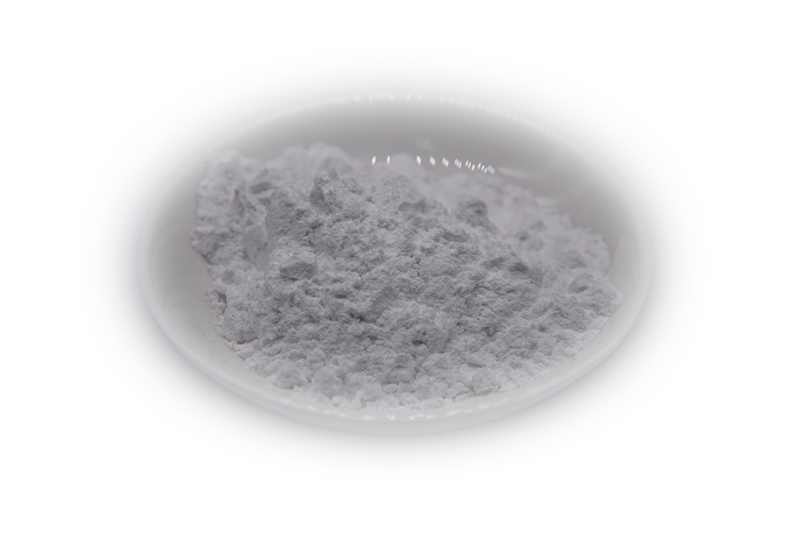
In a significant development within the refractory materials industry, a renowned cement producer has recently collaborated with a leading refractory and abrasive raw materials manufacturer to enhance product quality and production efficiency. This partnership leverages decades of expertise and state-of-the-art technology, marking a pivotal step in meeting the growing demands of high-performance refractory materials for various industrial applications.
The refractory and abrasive raw materials manufacturer, with over 20 years of experience, is well-established in the market for its commitment to quality and innovation. The company, known for its extensive portfolio of refractory products, has built its reputation on advanced science and technology, modern equipment, and stringent process management and control systems. This methodology ensures that each product meets rigorous industry standards, catering to a range of sectors including metallurgy, ceramics, glass manufacturing, and chemical processing.
The recent collaboration centers on integrating cutting-edge cement formulations to improve the physical characteristics and durability of refractory materials. Cement, a critical component in refractory production, plays a vital role in bonding raw materials and enhancing thermal stability. By optimizing the cement composition, the manufacturer aims to produce refractory bricks and shapes with superior resistance to high temperatures, chemical corrosion, and mechanical wear.
This cooperation signifies a strategic initiative to combine best-in-class cement technology with refractory production expertise. The cement producer, known for its innovation and quality control, brings advanced material science capabilities into the refractory raw material value chain. Their expertise allows for the development of cements that improve binding strength without compromising heat resistance or durability. The result is a new generation of refractory materials that deliver excellent performance under extreme conditions while reducing production costs and environmental impact.
Over the years, refractory materials have become indispensable in heavy industries requiring structures capable of withstanding elevated temperatures and corrosive environments. The quality of raw materials, including the binder cement, directly affects the lifespan and effectiveness of refractory products. Manufacturers have increasingly sought to improve raw material formulations to meet these demanding operational conditions.
The refractory company’s extensive experience has been a cornerstone in consistently delivering materials that stand up to such challenges. With stringent quality controls in place, the company employs advanced testing and analysis during production, ensuring that raw materials and finished products adhere to exacting standards. Their modern equipment, including automated mixers, kilns, and quality inspection instruments, further enhances production precision.
Incorporating specialized cement components developed through the partnership leads to enhanced physical and chemical characteristics in refractory products. This improvement directly benefits end-users, especially in industries like steelmaking and petrochemicals, where refractory linings are exposed to rapid temperature changes and aggressive chemical environments.
Furthermore, the collaboration underscores a growing emphasis on sustainability in material manufacturing. By refining cement compositions to require lower firing temperatures or to utilize eco-friendly raw materials, the joint efforts contribute to reducing carbon emissions and energy consumption. This aligns with broader industry goals of minimizing environmental footprints while maintaining high product performance.
Industry analysts note that this development reflects an important trend in refractory materials production: the integration of multidisciplinary expertise to address evolving industrial requirements. Cement technology, often considered separately, is now recognized as a crucial factor in refractory performance. Such collaborative approaches help manufacturers innovate more rapidly and respond effectively to market needs.
Customers of refractory products stand to gain from this advancement in several ways. Enhanced material durability means longer service life and reduced maintenance costs. Improved thermal stability and chemical resistance allow for safer and more efficient processing environments. Additionally, the environmental benefits of greener manufacturing processes resonate strongly with companies seeking sustainable supply chains.
The manufacturer of refractory and abrasive raw materials continues to invest heavily in research and development to capitalize on these synergistic opportunities. By combining proprietary technology, stringent production controls, and strategic partnerships, the company is well-positioned to lead the refractory industry into a new era of performance and sustainability.
In conclusion, this collaboration exemplifies how long-standing industry expertise, advanced technological innovation, and robust production management can come together to yield superior refractory materials. As high-temperature industries expand and environmental regulations tighten, the demand for reliable, efficient, and eco-friendly refractory products will only increase. The integration of advanced cement components within refractory materials production represents a forward-thinking approach that promises to meet these challenges head-on.
With over two decades of dedication to quality and innovation, the refractory raw materials manufacturer remains committed to driving progress in refractory engineering. Their ability to adapt and innovate through such partnerships not only enhances their product offerings but also supports the broader industrial community’s quest for excellence and sustainability. This synergy between cement technology and refractory manufacturing is poised to set new benchmarks in material performance and environmental responsibility for years to come.