
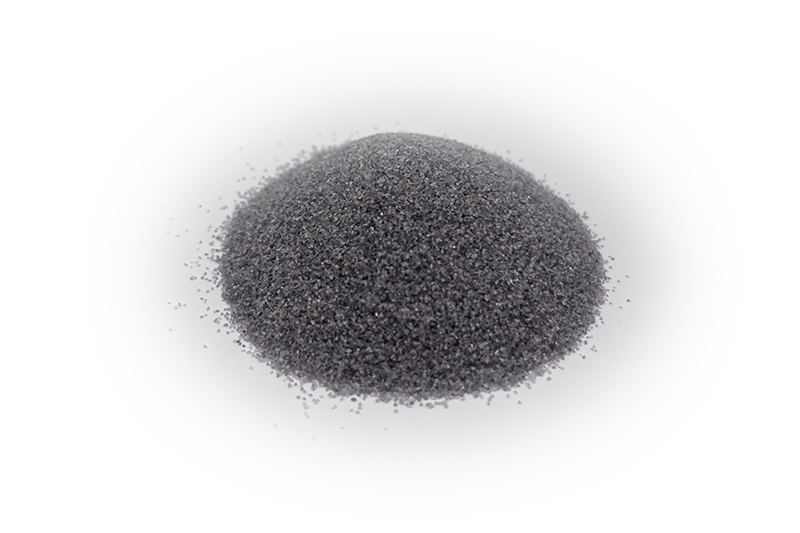
In the world of refractory and abrasive raw materials, selecting the right ceramic material is paramount to ensuring optimal performance, durability, and cost-effectiveness. Among the various materials available, alumina and zirconia stand out as two of the most widely used ceramics, each offering distinct advantages for different industrial applications. Understanding their comparative properties, benefits, and limitations is essential for manufacturers and end-users aiming to make informed decisions.
**Company Background**
HENAN JUNSHENG REFRACTORIES LIMITED, with over 20 years of experience, is a prominent manufacturer and trader specializing in refractory and abrasive raw materials. The company leverages advanced science and technology combined with good modern equipment, strict process management, and control to produce a series of high-quality refractory materials. Their expertise ensures the consistent supply of superior raw materials that meet the demanding standards of various industrial sectors.
**Overview of Alumina and Zirconia**
Alumina (Al₂O₃) is a widely used ceramic material known for its excellent hardness, thermal stability, and chemical resistance. It is commonly employed in refractory linings, abrasive tools, and various wear-resistant applications. Alumina’s high melting point and good resistance to corrosion make it a reliable choice in harsh environments.
Zirconia (ZrO₂), on the other hand, is recognized for its exceptional toughness and high fracture resistance compared to other ceramics. It exhibits superior mechanical strength and can withstand significant thermal and mechanical stresses. Zirconia is frequently used in advanced applications requiring high toughness and impact resistance, such as in cutting tools, dental implants, and refractory components operating under extreme conditions.
**Comparative Properties**
1. **Mechanical Strength and Toughness:**
Zirconia stands out due to its remarkable fracture toughness and flexural strength, often several times higher than that of alumina. This attribute makes zirconia less prone to crack propagation and more suitable for applications involving dynamic stresses or impacts. Alumina, while extremely hard and resistant to wear, is relatively more brittle and easier to fracture under impact.
2. **Thermal Properties:**
Alumina has a higher melting point (around 2072°C) compared to zirconia (approximately 2680°C), but zirconia exhibits better thermal shock resistance. Zirconia’s ability to withstand rapid temperature changes without cracking gives it an edge in environments where thermal cycling is frequent. Alumina’s high thermal conductivity benefits certain applications by effectively dissipating heat.
3. **Chemical Resistance:**
Both materials offer excellent chemical stability, but alumina excels in resisting acidic environments while zirconia shows superior resistance against alkalis and certain aggressive chemicals. This difference informs the choice of material depending on the chemical exposure in a given industrial context.
4. **Wear Resistance:**
Alumina’s high hardness provides excellent wear resistance, making it ideal for abrasive applications such as grinding wheels, cutting tools, and protective linings. Zirconia’s wear resistance is also notable, but its primary advantage lies in combined toughness that helps it endure mechanical stresses without chipping or cracking.
5. **Cost Considerations:**
Generally, alumina is more cost-effective than zirconia, making it a preferred material for large-scale applications where budget constraints are a concern. Zirconia, due to its superior mechanical properties and more complex processing requirements, tends to be pricier but justifies the cost in critical applications demanding higher performance.
**Applications in Refractory and Abrasive Materials**
HENAN JUNSHENG REFRACTORIES LIMITED capitalizes on the strengths of both alumina and zirconia to produce a range of high-performance refractory materials. In refractory linings, alumina-based products are favored for their hardness, thermal stability, and cost efficiency, particularly in furnaces, kilns, and reactors dealing with high temperatures and corrosive slags.
Zirconia-based refractories are often deployed in scenarios demanding superior toughness and thermal shock resistance, such as in gas turbines, advanced metallurgical processes, and environments with rapid temperature fluctuations. The company’s ability to tailor the raw material composition ensures that clients receive refractory solutions that maximize longevity and performance according to the specific needs of their industrial processes.
In abrasive applications, alumina remains the cornerstone raw material for grinding, polishing, and cutting tools, thanks to its excellent hardness and wear resistance. Zirconia is increasingly used in specialized abrasives where toughness and resistance to fracture are paramount, extending tool life and improving safety.
**Technological Advancements and Quality Control**
With over two decades in the industry, HENAN JUNSHENG REFRACTORIES LIMITED integrates advanced science and technology into the production process, backed by modern equipment and stringent process management systems. This approach guarantees that both alumina and zirconia raw materials maintain consistent purity, particle size distribution, and performance characteristics.
The company’s research and development efforts focus on optimizing the microstructure and composition of alumina and zirconia powders to enhance their functional properties. Through precise control of manufacturing parameters, they ensure that final products meet the rigorous standards required by various high-temperature and abrasive conditions.
**Conclusion**
Choosing between alumina and zirconia for refractory and abrasive applications depends on several factors, including mechanical requirements, thermal conditions, chemical environment, and cost considerations. Alumina offers excellent hardness, thermal stability, and chemical resistance at a favorable cost, making it suitable for a broad range of industrial uses. Zirconia provides unparalleled toughness and thermal shock resistance, justifying its premium price in critical, high-demand applications.
HENAN JUNSHENG REFRACTORIES LIMITED’s extensive experience and commitment to quality ensure that customers receive tailored raw material solutions featuring both alumina and zirconia. By understanding the strengths and limitations of these materials, industries can optimize their processes, improve efficiency, and enhance overall product life cycles.
As the refractory and abrasive industries continue to evolve, the comparative advantages of alumina and zirconia will play a pivotal role in driving innovation and meeting the ever-increasing demands of modern industrial applications.