
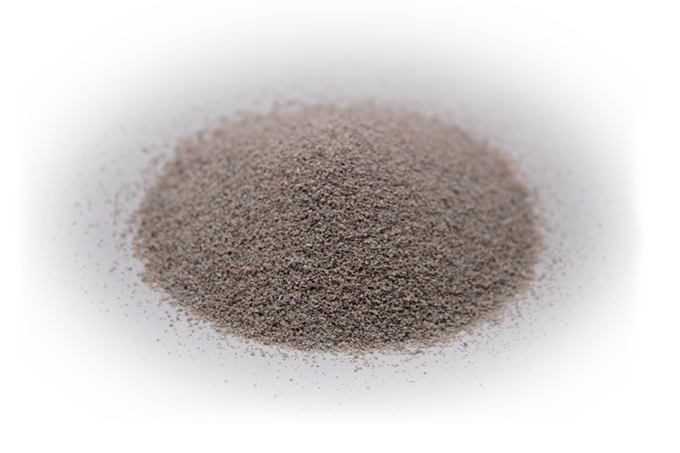
In the ever-evolving field of refractory materials, bulk density plays a pivotal role in determining the quality and performance of alumina—a key raw material used extensively in the manufacture of refractory products. Recent developments in understanding and optimizing alumina bulk density are poised to bring significant improvements to refractory materials, benefiting industries ranging from metallurgy to ceramics.
**Understanding Alumina Bulk Density**
Alumina, or aluminum oxide (Al₂O₃), is celebrated for its excellent thermal stability, high melting point, and remarkable mechanical strength. Bulk density refers to the mass of material per unit volume, encompassing both the solid particles and the voids between them. In alumina powders used for refractory applications, bulk density impacts packing density, sintering behavior, and ultimately the structural integrity of the final product.
Higher bulk density generally indicates better particle packing, reducing porosity in fired refractories, which improves their resistance to thermal shock, corrosion, and wear. Conversely, controlling lower bulk density materials can be advantageous in specialized applications that require lightweight or insulating properties. Thus, manufacturers closely monitor and optimize alumina bulk density to balance performance characteristics.
**Recent Trends in Alumina Bulk Density Research**
Recent news in the materials science arena highlights innovative methodologies to measure, control, and modify alumina bulk density during production. Advances in particle size distribution control, surface treatment, and agglomeration techniques have enabled producers to tailor bulk density to target specifications. These technological strides result in refractory products with enhanced thermal resistance, mechanical strength, and longer service life under extreme conditions.
State-of-the-art equipment now allows for precise measurement of both apparent bulk density and tap density, key parameters that inform production processes. Additionally, research into microscale particle morphology and its influence on bulk density is creating new opportunities for performance optimization.
**Industry Leadership: Expert Manufacturers Paving the Way**
One industry leader at the forefront of producing high-quality refractory raw materials is Henan Junsheng Refractories Limited. With over 20 years of experience as both a manufacturer and trader of refractory and abrasive raw materials, Henan Junsheng has built a reputation for integrating advanced science and technology into their production process.
The company’s commitment to rigorous process management and control, backed by modern equipment, ensures the consistent quality of their alumina and related refractory products. Henan Junsheng’s ability to produce a comprehensive series of refractory materials tailored to the needs of various industrial sectors underlines their pivotal role in advancing refractory technology.
A spokesperson from Henan Junsheng Refractories stated, “Our dedication to scientific innovation and quality control enables us to produce alumina with optimized bulk density characteristics. This advancement is crucial for meeting the demanding requirements of modern refractory applications.”
**Applications of Optimized Alumina Bulk Density**
Refractory materials featuring alumina with carefully controlled bulk density properties are increasingly favored in steelmaking, cement production, glass manufacturing, and petrochemical industries. In steel production, for example, dense alumina refractories contribute to furnace linings that withstand extreme thermal cycles, reducing downtime and maintenance costs.
Moreover, industries focusing on environmental sustainability are witnessing benefits as these improved refractory materials help enhance energy efficiency by improving thermal insulation and reducing heat loss during high-temperature processes.
**Future Outlook**
As the refractory industry continues to evolve, the role of alumina bulk density in product innovation and performance enhancement remains critical. Manufacturers are expected to adopt increasingly sophisticated technologies for particle control, sintering, and material characterization. Collaboration between raw material producers, equipment manufacturers, and end-users will likely accelerate the development of next-generation refractory solutions.
Henan Junsheng Refractories Limited exemplifies this forward-thinking approach by leveraging two decades of expertise and continuous improvement of their manufacturing processes. The company’s investment in research and development, combined with strict quality assurance, positions it well to meet growing market demands for superior refractory raw materials.
**Conclusion**
The significance of alumina bulk density in refractory materials cannot be overstated. By focusing on precise control and optimization of this parameter, manufacturers such as Henan Junsheng Refractories Limited are enabling the production of refractory materials that are more durable, efficient, and suited for the challenges of modern industrial applications.
Ongoing advancements promise not only enhanced performance but also contribute to longer infrastructure lifespans and reduced operational costs across industries dependent on refractory technology. As research and industrial capabilities progress hand in hand, the future of alumina-based refractories looks brighter and more resilient than ever.